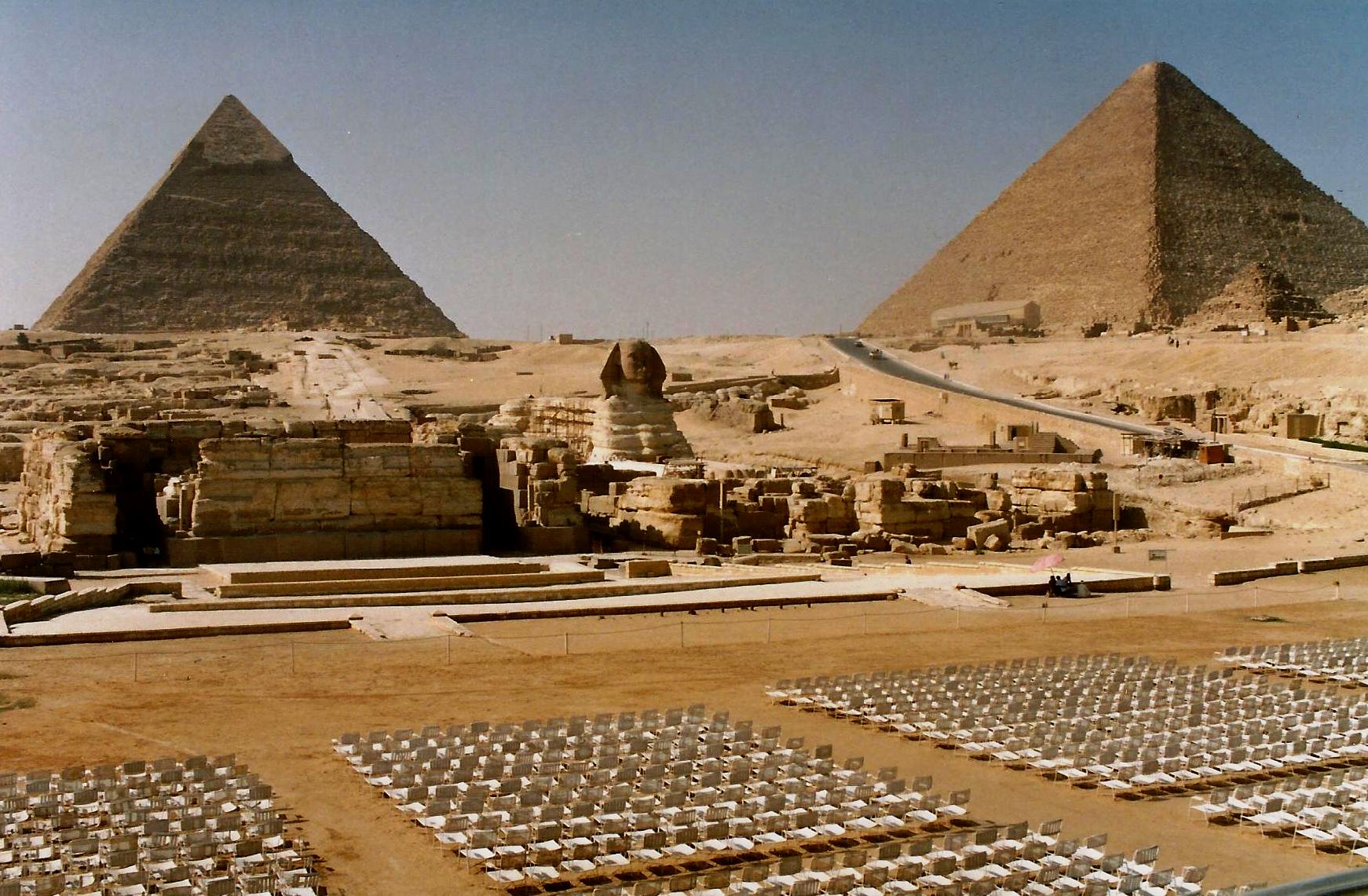
My Egypt Adventure and Transit of the Suez Canal – Part One: Cairo

Part One:  Cairo

With Egypt being the news recently, I started recalling my experience there in November, 1990.  At the time, I was serving as Officer-in-Charge of a Naval Liaison Officer Detachment based in Bahrain in support of Operation Desert Shield.  The detachment briefed masters of merchant ships transiting through the Persian Gulf to Saudi Arabian ports with military cargo. These ships were part of the Navy’s Military Sealift Command that provides strategic sealift in support of military operations.  The ships were activated from a reserve force of cargo vessels or were under contract from civilian shipping companies.  As most of these ships originated in the United States, the transit to Saudi Arabia included passage through the Suez Canal.

During a lull in operations in late November, 1990, I managed to take some time to experience the Suez Canal transit.  I had heard so many stories about the transit from ships’ masters that I felt it useful to see for myself what it was all about.  I arranged transit aboard the S.S. Ashley Lykes, a C-Class break bulk cargo ship operated by Lykes Lines bound for Saudi Arabia from the US.

Suez-Ashley Lykes-1

S.S. Ashley Lykes

And so began my Egypt Adventure.

The plan was to fly to Cairo, meet the ship in Port Said, a port on the Mediterranean Sea that serves as the northern entry point to the Suez Canal, and ride the ship through the canal, the Gulf of Suez, the Red Sea, the Indian Ocean, the Gulf of Oman and the Persian Gulf to its destination port in Saudi Arabia.  On the scheduled date, I left Bahrain on Gulf Air for Dhahran, Saudi Arabia on the first leg of my trip.

Below is a description of my flight to Cairo taken from a monthly newsletter I wrote during Operation Desert Shield:       

“I left Bahrain on a Gulf Air flight to Dhahran, Saudi Arabia where I transferred to Egyptair to Cairo.  The flight to Dhahran was ten minutes at an altitude of 2500 feet.  No drinks on this flight – the flight attendants did not even get up from their jump seats.  Upon arrival in Dhahran I learned about changing planes in Saudi Arabia.  It is not like the States.

“I was met by an airport representative who seemed to know all about my itinerary who took me to (where else) the Immigration Hall.  At the time it was Prayer Time, and the “Call to Prayer” was being broadcast over the loudspeakers for the benefit of those waiting in the immigration lines.  Since I was not entering the country I bypassed that line but did have to wait for an immigration officer to inspect my passport and make a copy of every page.  

“After my passport was duly photocopied I had to clear customs, where the customs inspector searched for articles forbidden in Saudi Arabia, such as alcoholic beverages, non-Muslim religious materials, certain types of books, magazines and videotapes, etc.  From there I was escorted to the departure lounge, where the airport representative checked me in [for my next flight].  Finally, I was on my own.” 

The flight was uneventful and we arrived in Cairo on schedule.   While waiting in the immigration line at Cairo Airport, I was approached by a young woman in what appeared to be a uniform who inquired about the reason for my visit, which I said was business.  She asked if I would have time for sightseeing and I replied yes.  She said her company would like to give me information about sights to see and offered to escort me through immigration, which meant I went straight to the head of the line and through, after which I was escorted to an office that appeared to be that of a company providing tours to visitors.  I got the full briefing about what to see in Cairo.  Thinking that was it, I was surprised (really should not have been, though) when I was informed that the company was to be my tour guide for my stay in Cairo.   Dumbfounded, I said fine, and was given various options.  I elected the cheapest, a group tour of the Egyptian Museum and the Pyramids.  As I had two full days to myself, I opted for the second day to do the tour, which I shall call the “Grand Tour”.  I was asked to pay in advance – US Dollars were gratefully accepted – and a pickup time was set.

By the time I checked into my hotel, the Semiramis Intercontinental, I was ready for a drink, which I partook in the hotel lounge.

Cairo-Semiramis

Semiramis Intercontinental Hotel

Below:  Views from my hotel room of the Nile River.  The Cairo Tower is on the far right in the picture on the left.  Note the air pollution in the picture on the right.

Cairo - View from Semiramis       Cairo-Skyline-Nile-4

The next day I set off on a long walk around the city and its surrounding neighborhoods.  Again, from my newsletter:

“Cairo is a huge city, population about 14,000,000.  I stayed at the Semiramis Hotel, which was right on the Nile River.  The city appears to be on the verge of either greatness or a downfall.  From a distance the skyline looks impressive:  lots of large commercial buildings along the Nile.  However many are not totally occupied; in fact some are not even fully constructed (sic).  There must be an unwritten regulation in Egypt:  “Thou shalt not finish construction of a building”.  There are buildings on which construction had been halted in order to start construction on new buildings adjacent to them.  This scene was not only in Cairo, but also in other areas of Egypt as well.

Below:  Additional views of Cairo and the Nile.

Cairo-Skyline-Nile-2    Cairo-Skyline-Nile

          Cairo-Nile-1     Cairo-Downtown-3  

“Egypt is full of contrasts:  Modern high-rises (albeit some incomplete) abutting shantytowns of rundown shops (many of which for some reason, were selling automobile parts, especially wheels and tires).”

Below:  A couple of neighborhoods just outside Cairo.  Note the tire shop in the left picture.

Neigborhood-1       Neighborhood-3

The walk around Cairo took nearly all day.  I am glad I took that walk because it allowed me to see sides of Cairo that the normal tourist would not see.  There seemed to be people and cars everywhere and the air pollution was most noticeable.  But the sights that struck me most was the seemingly unfinished state of the city.  It looked as if whatever prosperity existed was pulled out from under.  I estimated that it would take an economic miracle for enough money to be generated to actually finish those unfinished buildings sitting abandoned and in some cases falling into disrepair.

In Part Two:  The Grand Tour and the Pyramids.  Watch this Space!

End of Part One

The Open Championship at Muirfield – Final Day

Well done to Phil Mickelson for winning the Open Championship on a challenging day at Muirfield.   The course was tough, but fair and as the day wore on, many opportunities presented themselves to the leaders.  Many could not capitalize.  Mickelson, however, did, and took the Claret Cup with strokes to spare.  By the time he had sunk his birdie putt on the 18th, only a miracle to another player still on the course would have denied him his victory.

Well done, also to the rest of the players in the field, who individually gave outstanding performances during the tournament.

When my wife and I were at Muirfield in 2002, the scene was quite different as there was a 4-way tie at the end and no clear winner until  Ernie Els parred the 18th to secure his win in sudden death.  This year it was different, as it was clear who the winner was with players still out on the course.  But the excitement level was the same, and the crowd, always knowledgeable, gave enthusiastic recognition to to the outstanding level of play witnessed during the day.

After the excitement of the finish and as the crowds head home, it is always nice to sit back a bit and savor the feeling of the golf course as it slowly reverts to its natural self.  Even though the grandstands, the tented village, the various support facilities will not be dismantled until the following day, there is a feeling of peace and quiet as the sun begins to dip in the west.  The tee boxes are cleared, the fairways are now quiet and the flags have been removed from the greens.  There may be watering here or there, but serenity is in the air.  It seems so sudden, after a week of intense activity.  But soon the course will be active again, as members and guests hit the links again for a round of golf.

The par 3 16th hole gave many of the players a great deal of trouble.   I think it was a pivotal hole during the championship.  So much could go wrong even with a tiny error.  In many cases escaping with a bogey was a good result, and indeed, Lee Westwood, during the 3rd round, saved a crucial bogey after landing in severe trouble on his tee shot.

On Sunday, however, once Mickelson was finished at the 18th with a score of 3-under par for the championship, the closest player, Westwood, was at 16 and needed three birdies starting at the 16th to catch him or birdie-eagle-birdie to win.  That was an impossibility, given how the holes were playing during the tournament.

Below are the yardage charts of the 16th, 17th and 18th.

hole-16-map

hole-17-map hole-18-map

A poor tee shot at 16 could almost guarantee bogey.  At the 17th, the decision is whether to take on the cross bunkers on the second shot to try and get on the green in two.  The wind, also, plays a factor, and a head wind would make that shot extremely risky.  On 18, the key is a good tee shot and to avoid the bunkers.  Mickelson played these three holes par-birdie-birdie.  Westwood, on the other hand, hit a poor tee shot at 16 and made bogey.  Now needing an eagle at 17, he went for it with driver on his second shot and ended up in the deep right rough, denying him any shot at an eagle and thereby securing Mickelson’s victory.

All in all, this was a great tournament and we are looking forward to next year, and of course 2015 at St Andrews!


The Open Championship at Muirfield

In 2002 my wife and I traveled to Muirfield to visit the region and hopefully get to see some of the Open Championship golf tournament being held there at the time.  We arrived on Friday afternoon and set up our tent at a campsite nearby.

We decided to take a long walk along the coast and visit some of the local villages on Saturday and to go to the tournament on Sunday.   On Saturday morning we secured our tent and set off for the walk.  We first walked along the Muirfield golf course as we made our way along the coast.  As the day went on, a huge storm hit the area that created havoc on the golf tournament and our walk.  With some luck, we made it back to our campsite only to discover part of the tent was blown over, although the living area managed to stay up.  The storm passed and it became calm.  We survived.

We later learned that players starting in the late morning/early afternoon suffered the brunt of the storm, including Tiger Woods who carded an 81, knocking him out of contention.

The next day we awoke to beautiful weather and made our way to the tournament.  We found a parking area near an entrance to the golf course by the 6th tee.  The tee was visible from the parking area and we were able to watch players teeing off.   As it was the early afternoon, we noticed that people were leaving and decided to see if we could find someone willing to give us their tickets so we could gain entry.  As we had done this at Wimbledon we thought we could do it here!  A couple kindly let us use their tickets and a few minutes later, we found ourselves on the golf course.

The leaders had made the turn and were on the back nine.  We walked around the course, seeing the famous holes and eventually caught up with the leaders.   We followed Ernie Els group and watched the tournament end in a four-way tie!  Els, Thomas Levet of France, and Stuart Appleby and Steve Elkington of Australia were all tied.  There followed a four hole playoff,  at Nos. 1, 16, 17 and 18.

We went to watch play at the first.  Levet and Elkington went off in the first pair and Els and Appleby in the last. After a 50-foot birdie putt on the second hole (#16, par 3), Levet led by a stroke, but bogeyed the last to tie Els at even-par. Appleby and Elkington also bogeyed the last hole and were eliminated by a stroke.   There followed a sudden death playoff between Els and Levet.   Basically, they were to play the 18th until someone won.   We went to the grandstands at the 18th to watch.  Levet put his tee shot in a fairway bunker and bogeyed.   We then witnessed Els save par from a greenside bunker with a five-foot putt to win the title.

What a day!  We had been at the 2000 Open Championship at St Andrews but had to leave before the end to catch the last train to London.  This was different.  We were able to watch the end, and also linger after the tournament and explore the golf course as everyone was leaving.  What a beautiful course!  This was golfer’s paradise!

Now we are watching this year’s Open from home in the US and remember that visit in 2002.  Who will win this year?  It doesn’t look like there will be a storm this time, but the course is taking its toll on the players.  It will be an exciting finish.

My wife did a painting of the 13th hole back in 2002, and here it is:

No. 13, Muirfield

No. 13, Muirfield

No. 13 is a 190 yard par 3.

Here is the yardage chart:

Yardage guide, No. 13

Yardage guide, No. 13

Here is an image of the hole from the Muirfield website:

No. 13, Muirfield

No. 13, Muirfield

Muirfield Golf Club is known as the Honourable Company of Edinburgh Golfers and is located in Gullane, East Lothian, Scotland.  Its original location was in Leith in 1744 and later moved to Musselburgh and finally in 1891 to Muirfield.  Muirfield first hosted the Open Championship in 1892.

This is a terrific golf course and a great place to play the game.

Santa Fe’s Super Chief – An Iconic Passenger Train


If there was a passenger train service that epitomized the ultimate in luxury, it can be argued that Santa Fe’s “Super Chief” achieved that level.   Its reputation was that of excellence, offering meals by Fred Harvey in an elegant presentation, superior sleeping accommodations and a “Pleasure Dome” lounge car according brilliant vistas along the way.  Even as the quality of passenger rail service declined in the late 1960’s, Santa Fe insisted on maintaining its superior level of service to the end.  In fact, when Amtrak took over operations of the route, Santa Fe withheld the right to use the name “Super Chief” by Amtrak for fear that the new service would not meet the standards of the Super.  The service now operated by Amtrak goes under the name “Southwest Chief”.

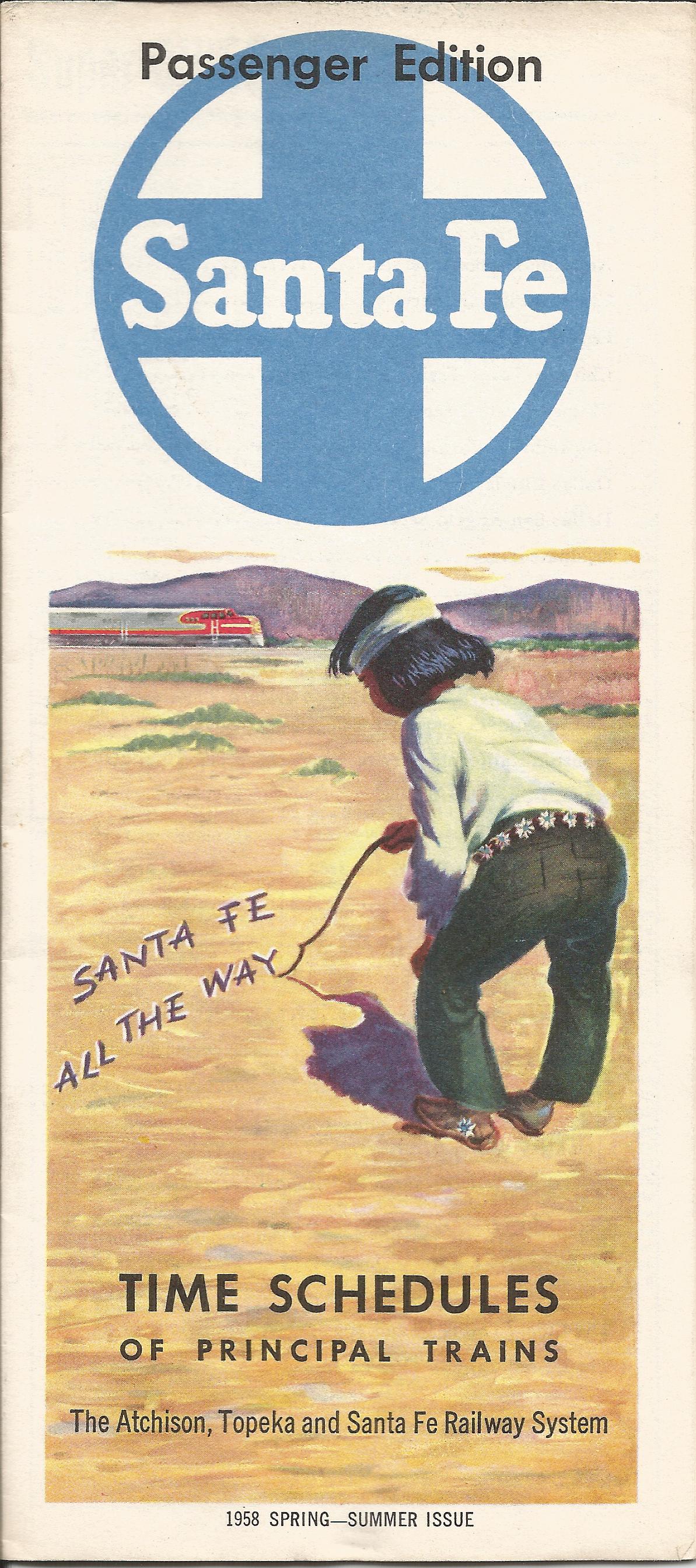
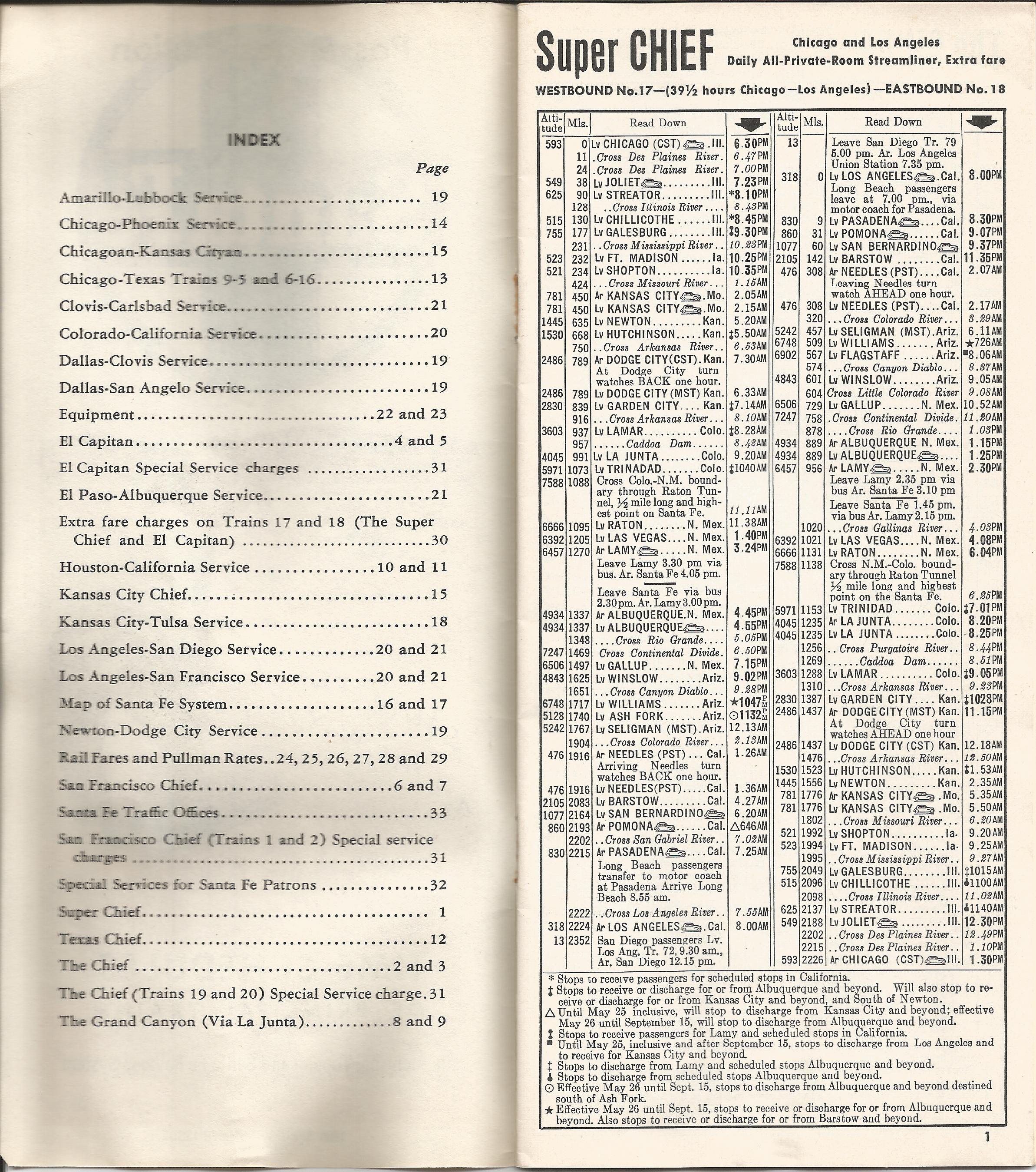
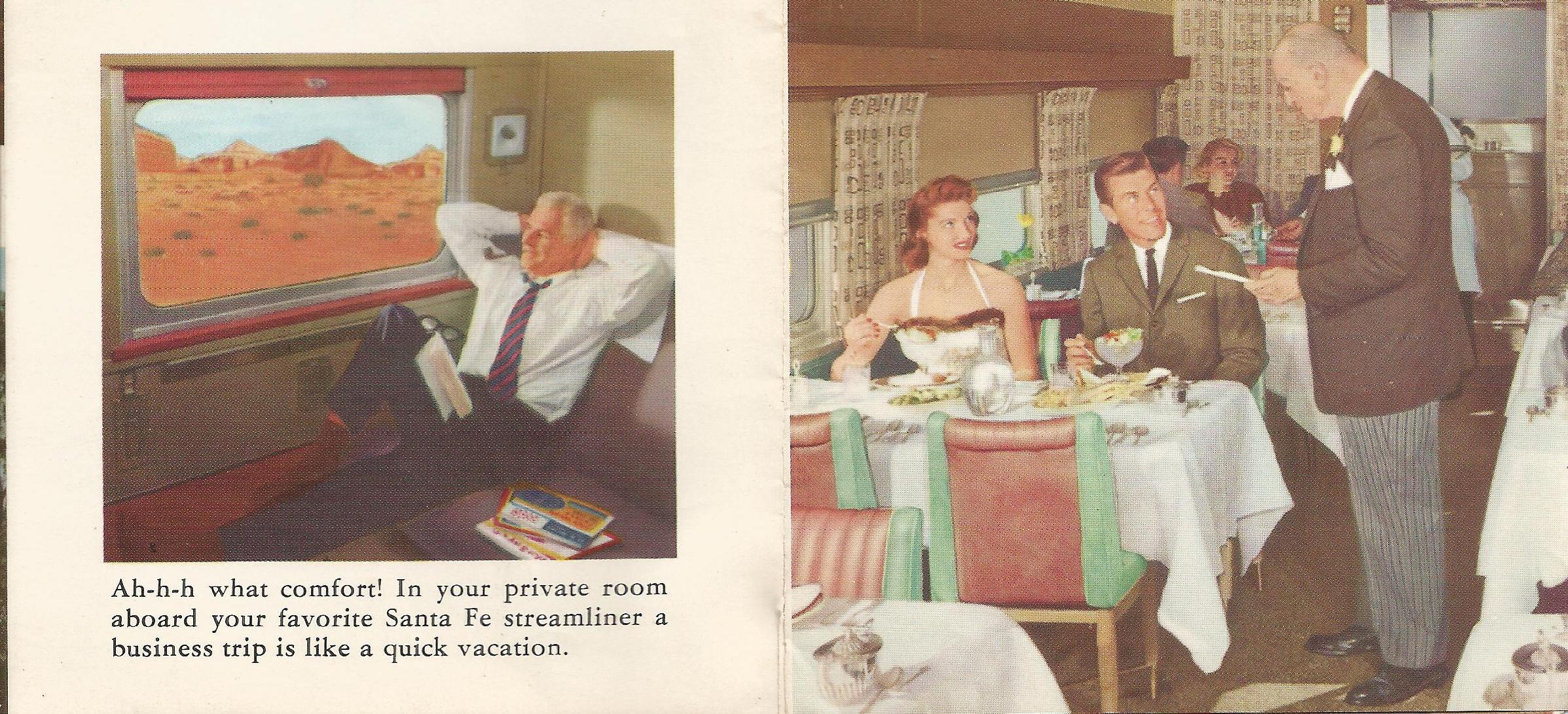
Below are pages from a Santa Fe timetable showing the Super Chief’s schedule and a brochure illustrating the level of service offered:

ATSF Spring 1958 - Cover        ATSF Spring 1958 - Contents-Super Chief Sked

Page from Santa Fe Brochure of the Super Chief.

Page from Santa Fe Brochure of the Super Chief.

The eastbound route departed Los Angeles daily at 8 p.m. and passed over Cajon Pass into Arizona and New Mexico before heading into Colorado, Kansas, Missouri, Iowa and finally Illinois.  The trip took 39.5 hours.  The scheduled provided for passage through New Mexico during the daylight, giving the passengers the opportunity to enjoy the landscape of the desert southwest.  The Super Chief was an all-sleeping car service and included gourmet dining and a “Pleasure Dome” car.

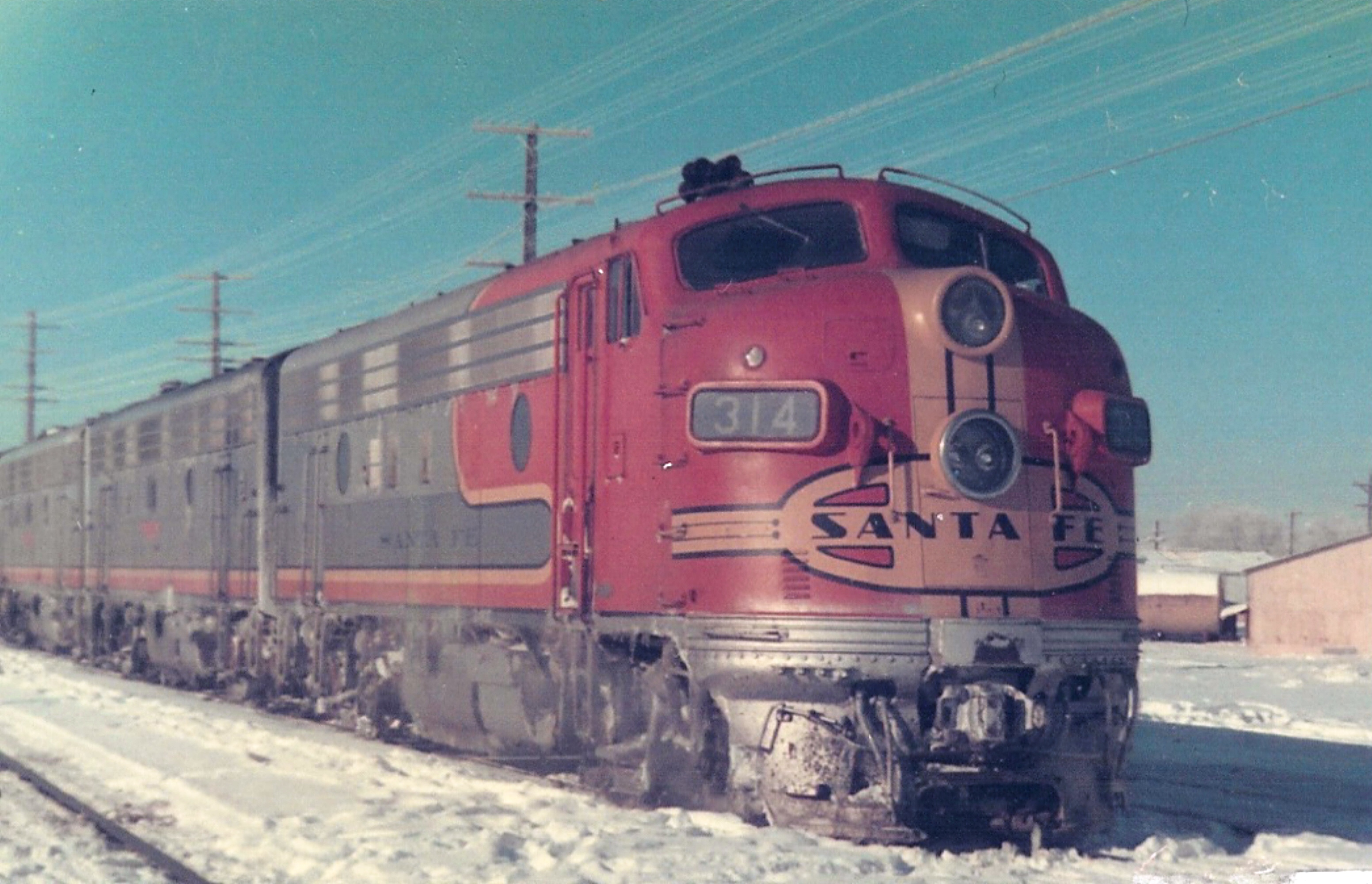
The diesels that pulled the Super Chief, that operated daily between Los Angeles, California and Chicago, Illinois, were the General Motors F-7.  I took the below photos of these diesels at rest in Gallup, New Mexico in December, 1966.

           ATSF F7 Gallup-big                ATSF F7 A

General Motors F-7 Diesels

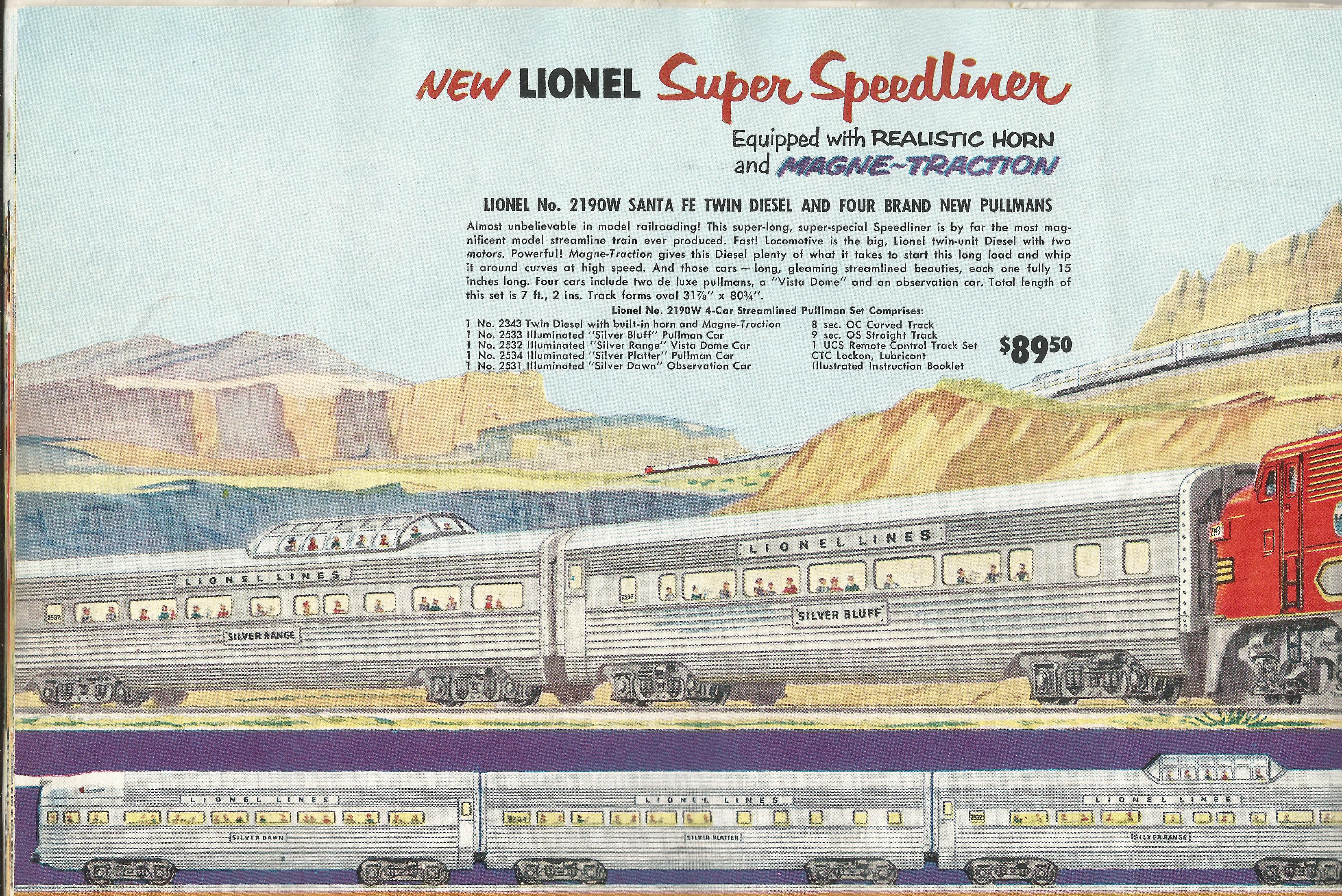
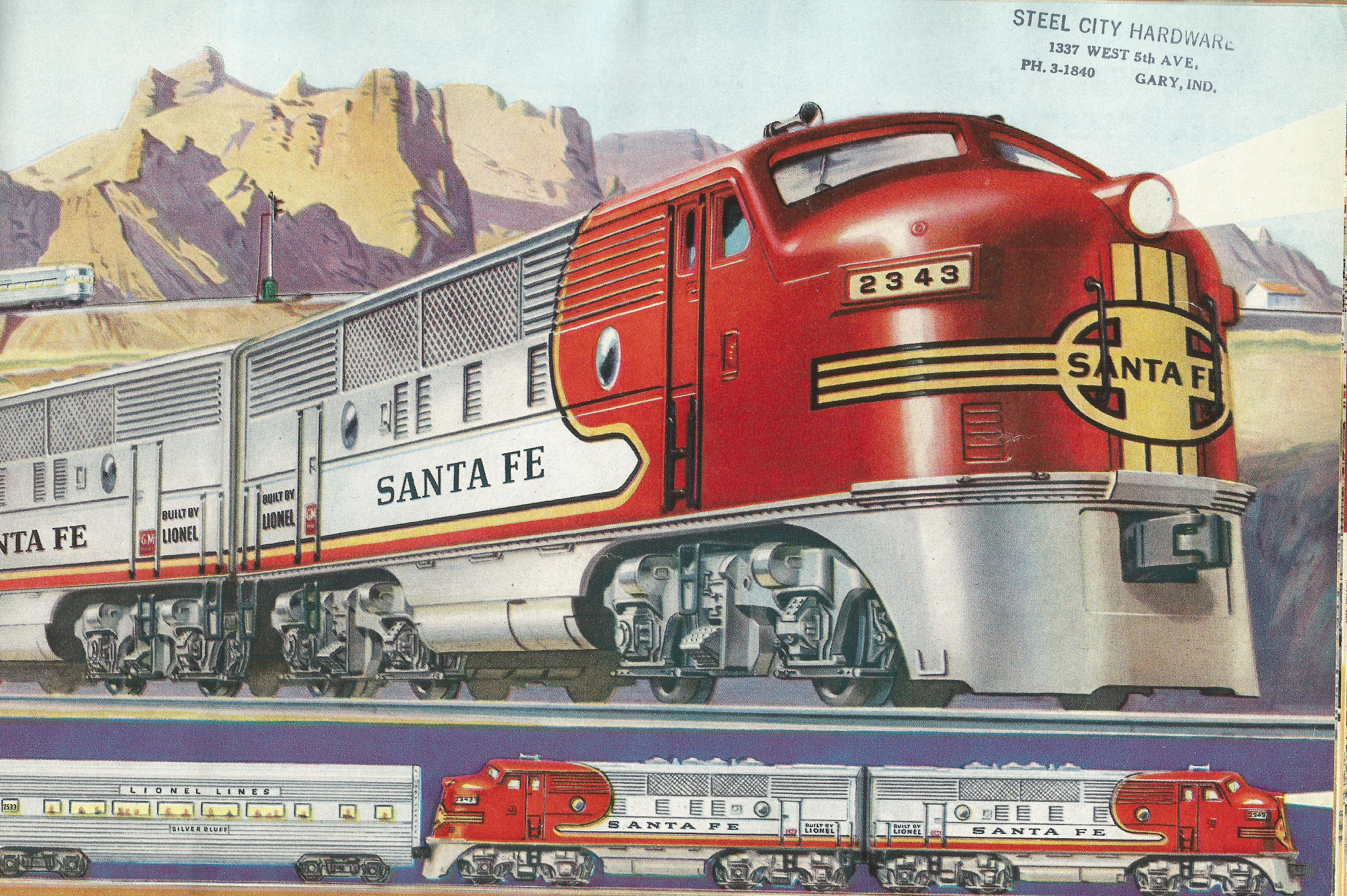
Models of these diesels were the most popular ever produced by the likes of Lionel, American Flyer and Athearn, makers of model trains, and just about every boy in the 1950s included these models on his Christmas Wish List.   Lionel’s catalogs featured the engine and the train it pulled:

Lionel's 1952 Catalog - the first year the engine was offered.

Lionel’s 1952 Catalog – the first year the engine was offered.

LIONEL Catalog 1952-inside pages-10002 LIONEL Catalog 1952-inside pages-10001

Pages from the Lionel 1952 catalog.

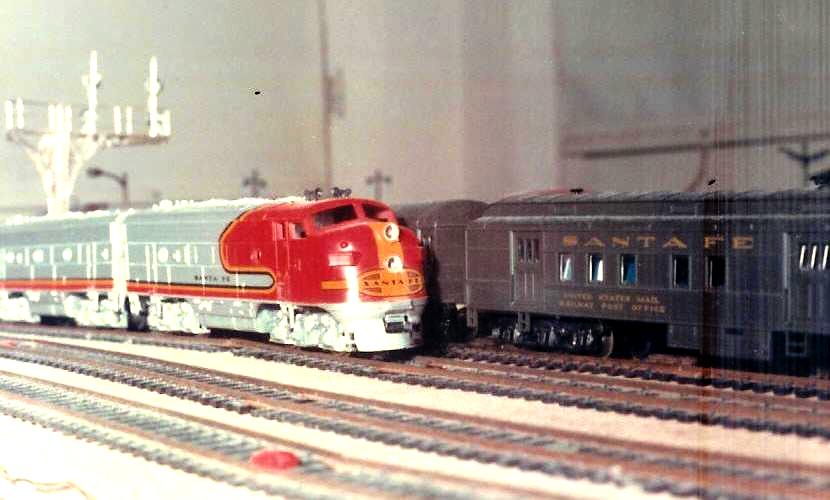
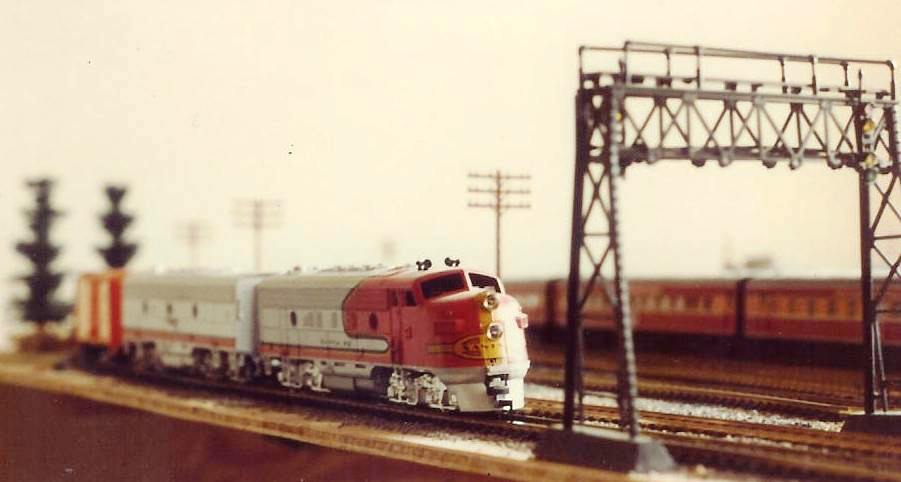
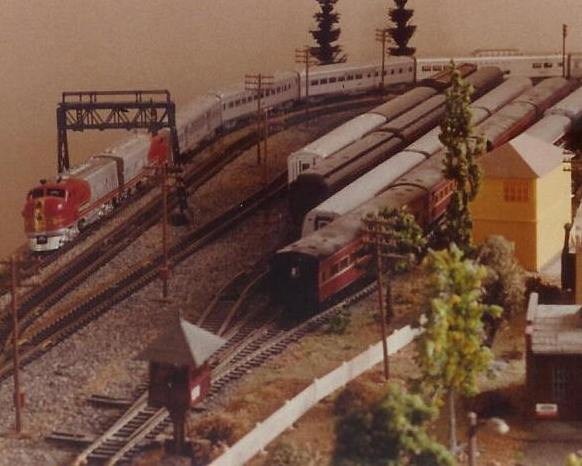
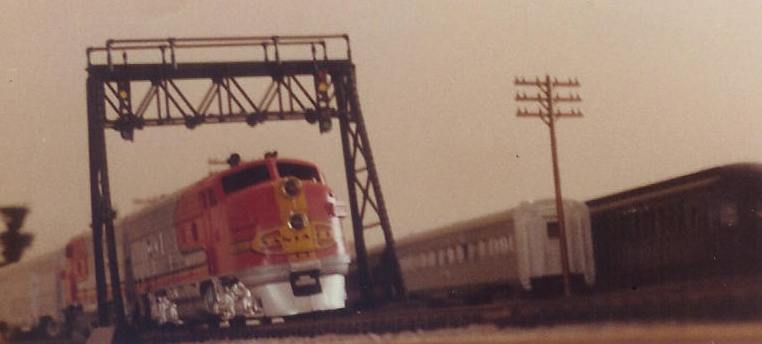
I also featured the Santa Fe on model railroads I built over the years.  Below are some photos from layouts I had built:

Layout 1966-1b

HO Scale Model Railroad – 1966

Layout 1982-6c

     
Layout 1982-7a1

Layout 1982-7b

HO Scale Model Railroad – 1982-86

Today, scale models of Super Chief consists are available from KATO in N scale.

Amtrak operates its “Southwest Chief” along the route of the Super Chief, replicating the same schedule and service using Superliner high-level chair cars, sleepers, a dining car and lounge car.


The Greatest Airliner of All Time?

Pan American World Airways Boeing 707-321 - Clipper Stargazer - at Los Angeles International Airport sometime in 1969

Pan American World Airways Boeing 707-321 – Clipper Stargazer – at Los Angeles International Airport sometime in 1969


Boeing 707's of Two Iconic Airlines at Los Angeles International Airport sometime in 1969.

Boeing 707’s of Two Iconic Airlines at Los Angeles International Airport sometime in 1969.


It has been suggested that the Boeing 707 could be regarded as one of the greatest airliners of all time.  It was the aircraft that launched daily scheduled passenger jet operations across the Atlantic and eventually around the world.  Sadly, it was instrumental in the demise of trans-Atlantic ocean liner crossings and passenger rail services in the United States.  However, the aircraft and its successors, aided by the Airline Deregulation Act of 1978 and the liberalization of economic regulation in the rest of the world, have made air travel available to the masses.  Interestingly, the availablity of air travel to the masses was not that recent a phenomenon.  Back in the post World War II and 1950’s era, Pan American World Airways pioneered “Tourist” travel with the DC-6B.  Affordable fares were offered to points in Pan Am’s worldwide system.  I was one of the beneficiaries when my family traveled through Central and South America in the late 1950s.  Below is a picture of the iconic DC-6B:

Pan American World Airways DC-6B, the "Super 6", Clipper Midnight Sun.

Pan American World Airways DC-6B, the “Super 6”, Clipper Midnight Sun.

The Masters – Paintings of Augusta National

Here are some watercolors of scenes from Augusta National created by my wife, the English painter Lesley Giles.  Prints of these paintings are available on Fine Art America:  http://fineartamerica.com/profiles/lesley-giles.html?tab=artworkgalleries&artworkgalleryid=26891

W.LGiles.Augusta.ClubHouse(wat-11x14ins)

Clubhouse Augusta National

???????????????????????????????

10th Augusta National

W.LGiles.Augusta.13th(wat-11x15ins)b

13th Augusta National

W.LGiles.Augusta.16(wat-14x11ins)

16th Augusta National

???????????????????????????????

18th Augusta National

???????????????????????????????

Vijay Singh 2000 Masters Champion

LA Dodgers from the Past

Here are some pictures of LA Dodgers from the 1960’s and 1970’s.

Bill Singer

Bill Singer

Willie Davis

Willie Davis

Wes Parker

Wes Parker

Maury Wills

Maury Wills

So Long, Jay Leno!

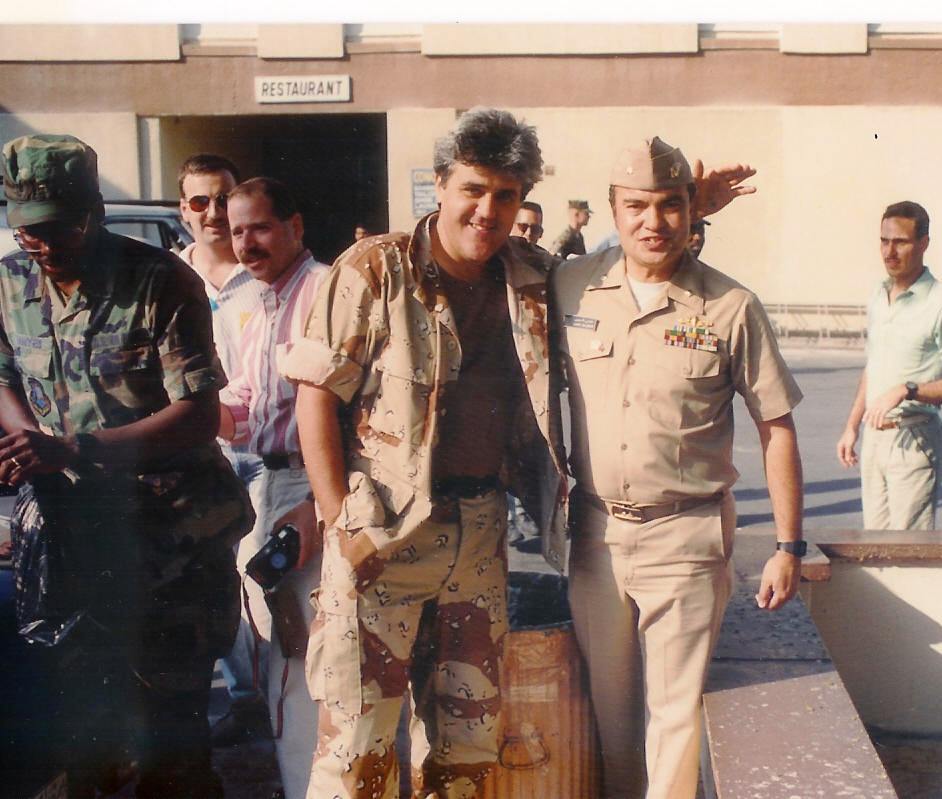
So long to Jay Leno after a great run on the Tonight Show.

Had the pleasure of meeting him in Bahrain when he came over to entertain the troops during Operation Desert Shield in the first Gulf War.

Jay Leno/Desert Shield

A Great Dodger Pitcher

Here is an image of the wind-up of the great Sandy Koufax, who pitched for the LA Dodgers in the 1960’s.  This image is a reproduction of a photograph I created using four negatives from four separate photos.  They were taken by me during a game at Dodger Stadium in Los Angeles during the 1966 season.

Sandy Koufax Wind-up

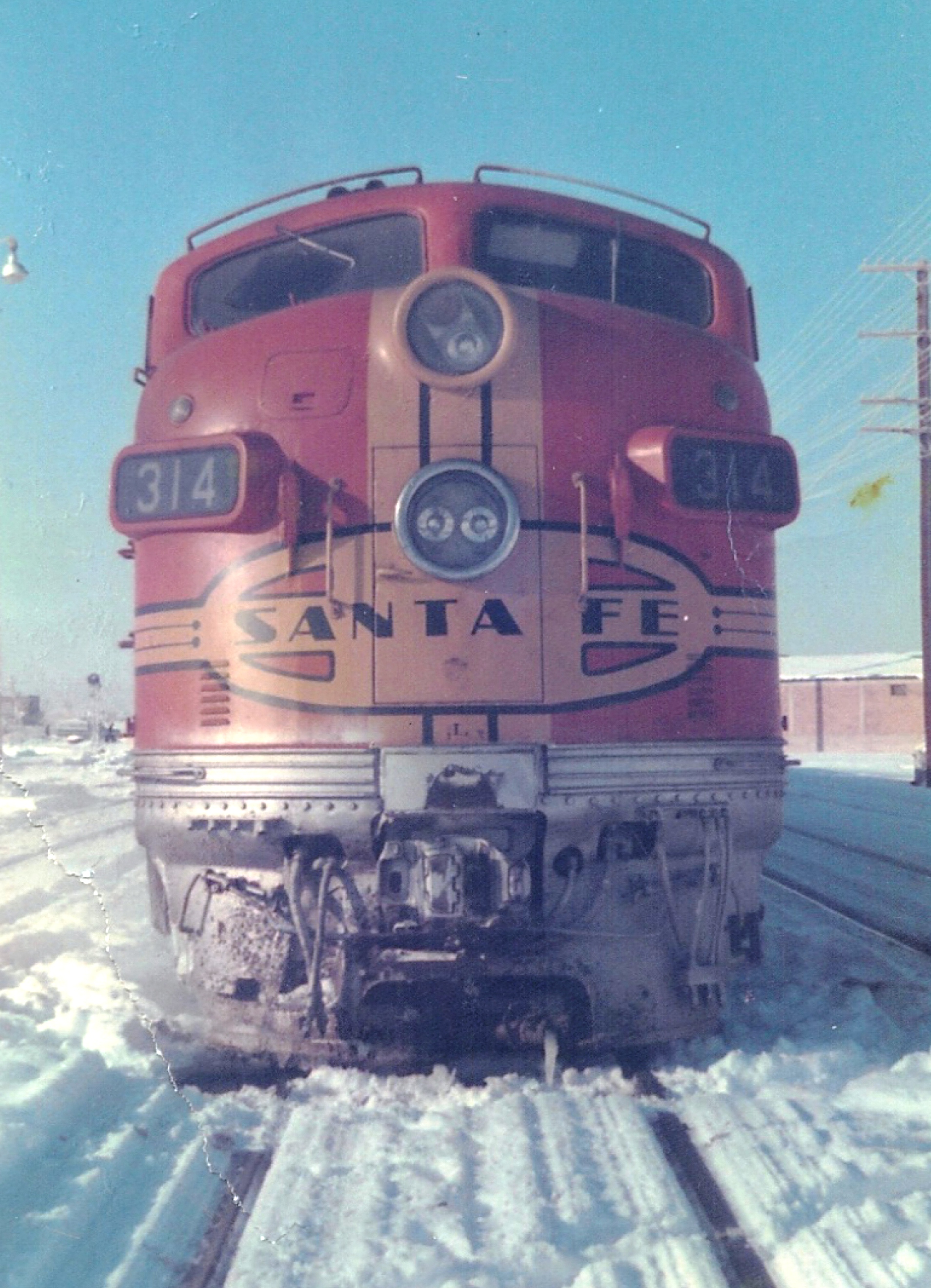
Santa Fe F7 A Unit


Here is a picture of the nose of a Santa Fe F-7 A Unit taken in Gallup, New Mexico during the winter of 1966-67.

ATSF F7 A-big


Economy Class Meal on Emirates A-380

Below is the lunch served on Emirates Flight 001 in Economy Class between Dubai and London.  The wine was free!

Image

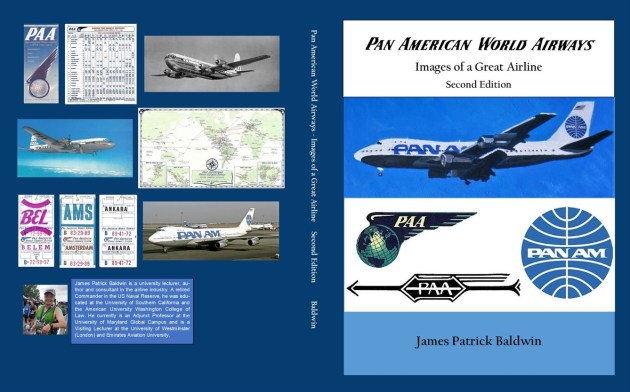
Cover of my Book

front-and-back

Pan American World Airways – Images of a Great Airline Second Edition

My first published book, now in its Second Edition! I had collected a lot of Pan Am memorabilia over the years and thought it would be nice to be put unto some sort of scrap book to preserve them. What resulted was this book. So many people do not know about the important contributions Pan Am made to commercial air transportation, and I put this book together so that those interested in airlines and airline history would get a quick visual summary of Pan Am’s accomplishments in its short life.

Click on the title below for a preview of

Pan American World Airways – Images of a Great Airline Second Edition

This book is available on eBay .

For further information about the history of Pan American World Airways, visit: Pan Am Historical Foundation

Emirates Destinations in the Middle of the Night

Here’s where you can go from Emirates Terminal 3 at Dubai from 0100-0800 any day of the week!

DXB-6